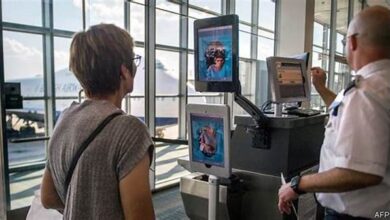
Hey peeps! Welcome to my crib of words, where today we’re diving into the super futuristic realm of facial recognition surveillance for government security programs. You might be like, “Whoa, hold up! What’s this tech wizardry about?” Stick around and let’s put on our detective caps to unravel this digital spectacle.
Understanding Facial Recognition Like Never Before
You know, back in the day, security used to be all about keys and passwords. But now, it’s all face-forward with the swanky tech known as facial recognition surveillance for government security programs. Yep, it’s like the sci-fi movies coming to life—but for real! This tech helps governments identify people in real-time, all thanks to some hardcore algorithms that recognize unique facial features. Imagine the cops needing only a camera and boom—they’ve got the info they need. Governments swear by its ability to boost security levels like never before, spotting the baddies in the crowd while you’re off sipping your latte. Amazing, right? But poking into this world, you start to realize it’s not all rainbows. There’s the ever-looming Big Brother vibe, privacy shouting out its warnings. This tech is cool, but as with all things, balance is key so we don’t end up living a Black Mirror episode!






The Jaw-Dropping Capabilities
1. Pinpoint Accuracy: Facial recognition surveillance for government security programs identifies faces with top-notch precision.
2. Speed Demon: It processes info faster than you can say “security breach.”
3. Real-Time Scanning: Captures footage in the moment, so no bad actors can play hide and seek.
4. Low-Key Monitoring: Operates discreetly in the background—it’s there, but you won’t even notice.
5. Enhanced Public Safety: Aims to keep crime at bay and make public spaces safer for us all.
Privacy and Ethical Concerns
Alrighty, so here’s the sitch: facial recognition surveillance for government security programs promises Better-Safe-Than-Sorry vibes, but it also stirs up some serious privacy chats. People are kind of freaking out over being watched, like we’re starring in our own mini Truman Show. Legit concerns arise about data being misused or errors turning lives upside down. Imagine getting busted for something you didn’t do just ’cause the tech got your face mixed up. Not cool, right? It’s all about finding that magic middle ground where tech innovations don’t trample on our personal spaces. As always, with great power comes great responsibility!
The Multi-Faceted Use Cases
The Tech Wizards Behind The Scenes
Let’s give a shoutout to the behind-the-scenes tech wizards making facial recognition surveillance for government security programs tick like a well-oiled machine. From crafting intricate algorithms that make face-matching seem like magic to designing high-def cameras that capture every detail, these geniuses are turning what once seemed impossible into our current reality. Governments are investing big bucks into these programs, believing it’s the answer to modern security woes. But let’s be real, just like any tech, it’s all about how this power is wielded. Whether it’s spotting a runaway criminal or securing large events, this tech duo is a game-changer in making the world a safer place—’cause we could all use a little peace of mind.
The Controversies Unveiled
But let’s not ignore the drama—facial recognition surveillance for government security programs is no stranger to controversies. Privacy warriors are up in arms, worried about an Orwellian future where personal freedom takes a back seat. There’s also chatter about bias in these systems—yep, sometimes they don’t treat everyone equally. As countries grapple with regulation, the conversations are hotter than a summer’s day. People want transparency in how this data is collected and used. The ethical debate continues, reminding us all that striking the right balance is crucial so we don’t end up sacrificing personal liberties under the guise of security.
Wrapping up the Future
In the grand scheme of things, facial recognition surveillance for government security programs is shaping up to redefine how we see security. As tech keeps evolving, this surveillance technique could become as common as smartphones in our pockets. But let’s remember what’s important: Trust and transparency are crucial to easing our privacy worries. Whether we’re chillin’ at the mall or attending a concert, knowing how this tech impacts us is a must. So, keep your eyes peeled, and stay in the loop, ‘cause this face-off with tech is only just getting started!