Yo, what’s up, fam? Today, we’re diving into a topic that’s as intense as it sounds: government weapons systems contracts and how they’re awarded. If you’re curious about the behind-the-scenes of how these massive deals are inked, you’re in the right place. Let’s break it down in a way that even your grandma could nod along to!
The Lowdown on Government Weapons Systems Contracts
Alright, let’s get this party started. Government weapons systems contracts are no joke; they’re how the big wigs in the defense industry make the big bucks. It all kicks off with Uncle Sam – aka the government – laying out a wish list for some new high-tech gadgets. You know, like missile systems or the latest in stealth tech. These contracts are crucial to national security and economy, so it ain’t a game. The process of government weapons systems contracts how they’re awarded? Think of it like a massive, strategic dance-off between companies, each flaunting their best moves (or tech, in this case) to win that sweet contract.






In this showdown, you’ve got major players like Lockheed Martin, Boeing, and Northrop Grumman battling it out to prove they’ve got the chops to deliver the best bang for the buck. Once the government gives a shout-out for proposals, these companies scramble to put together the dopest package they can. We’re talking budgets, timelines, tech specs – the whole nine yards. It’s competitive, it’s intense, and it’s all about outsmarting the competition to snag that coveted deal.
And get this, government weapons systems contracts often come with twists and turns. There’s all sorts of criteria the companies have to meet, and a ton of government scrutinizing to ensure everyone’s playing fair. But when the dust settles, the company left standing gets the gig, and it’s celebration time. But remember, this ain’t your average DJ Khaled “We the Best” moment. This is serious business about protecting borders, creating jobs, and pushing tech boundaries.
The Players in The Game
So, who’s throwing their hats into the ring for these government weapons systems contracts?
1. Defense Giants: Companies like Lockheed Martin and Boeing are household names in this space. They’re the veterans who know every trick in the book about government weapons systems contracts how they’re awarded.
2. Tech Innovators: Newbies with cutting-edge tech and fresh ideas are shaking things up. They bring new perspectives in government weapons systems contracts how they’re awarded, which can be game-changing.
3. Collaborative Wizards: Those who love teaming up, creating alliances for a bigger, badder proposal in government weapons systems contracts how they’re awarded. Think teamwork makes the dream work vibes.
4. Strategic Ninjas: These folks are all about the long game, planning years ahead of contract proposals. Their foresight in government weapons systems contracts how they’re awarded often gives them the upper hand.
5. Economy Boosters: Companies that know how to pitch their proposal to not only meet defense needs but also rev up the economy. Totally a win-win in the government weapons systems contracts how they’re awarded arena.
The Secret Sauce to Winning Contracts
You might be thinking, how do they do it? Well, the secret sauce to winning government weapons systems contracts is all in the details, baby. Okay, not so secret when you break it down. It starts with a killer proposal that showcases everything the government could possibly want. We’re talking about compliance with standards, ensuring tech readiness, demonstrating past performance, you name it.
Plus, these companies gotta play their A-game with their pricing strategies. Too high, and it’s game over. Too low, and the government might think something’s fishy. It’s all about finding that sweet spot where quality meets cost-effectiveness in government weapons systems contracts how they’re awarded. And let’s not forget the importance of networking. Sometimes it’s about who knows who, and firm relationships within defense circles can tip the scales.
Winning government weapons systems contracts is also about more than just the immediate gain. It’s about building a reputation in the industry. Strike a deal now, and it could pave the way for future partnerships and projects. So, they have to be in it for the long haul, keeping those relations tight, and maintaining a sterling track record.
The Ins and Outs of The Award Process
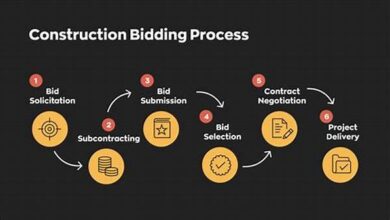
Peep this, kiddos: the award process of these contracts is like a reality show but written in tiny print and legal jargon. The government puts out a Request for Proposal (RFP), and it’s game on. Companies toss their hats into this ring with proposals that put those RFP specs into techno-color. It’s a whirlwind of drafts, pitches, and reviews before a winner stands tall.
1. RFP Release: Uncle Sam puts out the call. This is where the fun begins in government weapons systems contracts how they’re awarded.
2. Proposal Drafting: Companies rally their top minds to draft up a killer plan. It’s brainstorming galore, like writers’ block on overdrive for government weapons systems contracts how they’re awarded.
3. Submission & Evaluation: When proposals hit the desk, the scrutiny squad kicks in. It’s an intense face-off to see who aligns best with the goals of government weapons systems contracts how they’re awarded.
4. Negotiations: If the vibe’s right, negotiations go down. It’s here deals get sweetened in government weapons systems contracts how they’re awarded.
5. Awarding: Confetti pop moment! The winner gets announced, and everyone holds their breath to hear the decision of government weapons systems contracts how they’re awarded.
Good Vibes and Big Wins
To wrap this escalator ride through the world of government weapons systems contracts, keep in mind the stakes are mad high. You’ve got mega-companies duking it out with tech innovations that could set the future for defense and security. Each step is meticulously planned, challenged, and evaluated, making the process fair and transparent.
Not only is this a big financial win, but it’s also a massive leap in tech advancements and economic growth. With every contract awarded, there’s a ripple effect that impacts countless jobs and pushes the boundaries of what’s possible. Government weapons systems contracts how they’re awarded may sound like serious business, but at its core, it’s an intersection of innovation, strategy, and competition.
Summary: The Big Picture
Alright, fam. So what does all this info dump about government weapons systems contracts how they’re awarded mean? At its core, the process is a mix of competition, strategy, and tech innovation, all aimed at equipping the nation with the best defense mechanisms. When companies vie for these contracts, they’re not just after a paycheck – they’re investing in tech advancements and job creation.
Peeling away the layers reveals a process that’s as much about networking and strategy as it is about having the latest tech. It’s a masterclass in anticipation, with companies constantly scouting for future needs. So next time you hear about government weapons systems contracts, remember, it’s not just about big bucks – it’s a power play of strategy, tech wizardry, and future-proofing the nation. Peace out!